White River
Turtles All the Way DownWhite River is a central Indianapolis waterway whose significance in the novel comes from its double character: it is a landscape of wildlife, childhood freedom, and striking beauty, but also a river receiving sewage and agricultural runoff. Aza Holmes and Daisy Ramirez return to it by canoe, where familiar places reopen memories and the view toward the Pickett estate connects the river to the investigation surrounding Russell Pickett. Later, the unfinished Pogue’s Run tunnel offers an unexpected vantage over the river and the city. The water is not merely scenery: its pollution, current, banks, and changing light all shape what the characters remember and discover.
Setting and Environmental Condition
White River runs through a landscape that can appear pastoral. Aza recalls blue herons, geese, and deer, and the riverbanks offer wooded stretches and islands. Yet the distinction between the river’s attractive surroundings and the condition of its water is stark. When rain overwhelms the sewers, waste from Central Indiana flows directly into the river. Aza describes the water not simply as smelling like sewage, but as smelling of it: pollution is part of the river’s material condition, not an impression created by its surroundings.
The pollution is also visible in the river’s uses and effects. When Aza and Daisy paddle during low water, Aza jokes that half the river is urine, while the current is so slow and the waterway so broad that she barely needs to steer. At Pirates Island, crops grow amid the trees and honeysuckle: small tomato and soybean plants are fertilized by agricultural runoff and sewage. The island’s vegetation is therefore both a sign of the river’s fecundity and evidence of contamination. Natural growth and human waste occupy the same scene, resisting any simple division between a pristine landscape and an urban one.
Childhood Places and a Return by Canoe
The river carries a history shared by Aza and Daisy Ramirez. Years earlier, Aza and her mother sometimes paddled past Davis Pickett’s house to the park behind the art museum, pulled the canoe ashore for a walk, and returned home against the lazy current. By the time of the present-day outing, Aza has not been down to the water in years. The journey with Daisy thus brings an old route back into use, while making clear that familiarity does not erase the river’s changed or troubling realities.
At low water, the canoe ride recalls the games they played as children along the banks. They called one game river kids, imagining that they lived alone by the water, scavenging and hiding from adults who might send them to an orphanage. Aza remembers Daisy throwing daddy longlegs at her because she knew Aza hated them; Aza would scream and run, but those earlier emotions still felt like play, an experiment rather than an inescapable state. The memory gives the present journey an emotional contrast: on the river, Aza feels little again, but she also recognizes how different childhood fear was from terror without choice.
Wildlife and changing scenery keep the return grounded in the particular place. A softshell turtle slips from a partly submerged tree into the water, and the river is described as full of turtles. Farther along, a blue heron lifts from a bleached tire on a pebble island; sycamores lean over the channel, and a dead tree’s branches divide the blue sky into irregular shapes. The day’s sunlight catches on the water as wood ducks take flight. These details make the river beautiful without cancelling the sewage that enters it: the living landscape and the damaged water remain inseparable.
Pirates Island and the Pickett Estate
Pirates Island holds a concentrated store of childhood memory. During Aza’s eleventh birthday, her mother made a treasure map, and Aza, Daisy, and her mother paddled there after cake. They dug at the base of a tree and uncovered a small chest of chocolate coins wrapped in gold foil. Davis Pickett and his younger brother, Noah Pickett, had met them there. Aza remembers allowing herself to treat the plastic chest as real treasure even though she knew what it was. The island marks the difference between the imaginative ease of childhood and her present sense of difficulty in being an adult.
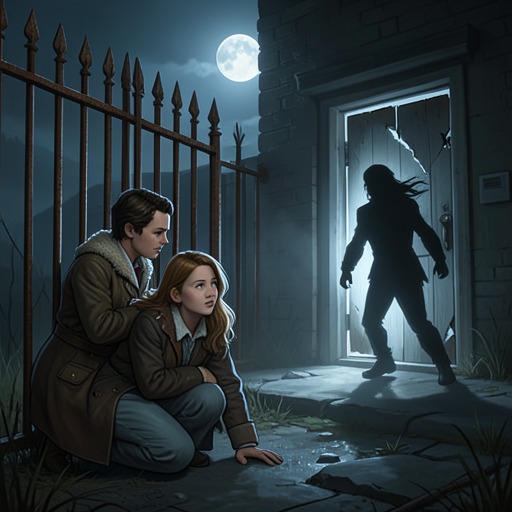
The same river route also approaches the Pickett property. Aza and Daisy climb from the riverbank over a chain-link fence holding boulders in place along the floodwall, then enter woods from which Aza can see the manicured golf-course lawns and the glass-and-steel Pickett mansion. In this setting, the river becomes a threshold between familiar public banks and the wooded grounds beside the estate. Daisy finds a small night-vision camera mounted to a tree, about four feet above the ground. Aza connects to it with her phone; the camera is not password-protected, and photographs begin downloading. The river’s edge has brought them close enough to the estate for the investigation to acquire a concrete object and a new source of evidence.
The Unfinished Tunnel and the City Above
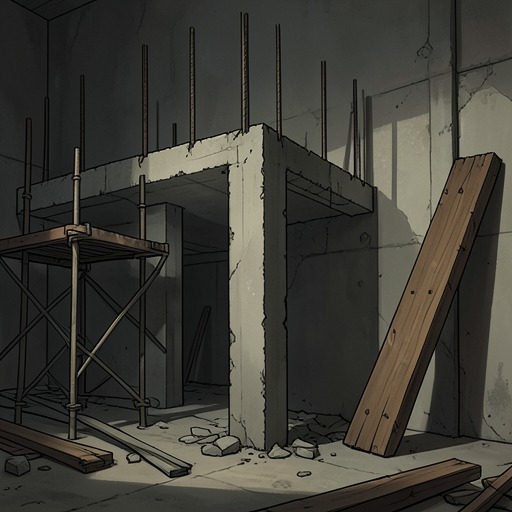
The river is also the destination of the Pogue’s Run tunnel, which was meant to empty into it. Pickett Engineering had been hired to expand the tunnel, but the work was never finished. When Aza and Daisy later walk through it, the smell worsens before improving near open air. At the unfinished outlet, the small trickle that should have been diverted from White River instead drips down into it from two stories above. The incomplete infrastructure makes the river’s condition part of a larger urban history: an intended engineering intervention remains unfinished, while water continues to reach the river below.
At night, the tunnel’s opening gives Aza an unusual view of Indianapolis. From a city generally too flat to offer a prospect over itself, she sees the river’s moss-covered boulders, bubbles at the base of a waterfall, trees leaning over the water, power lines, a grain mill, and distant neon signs. Daisy sits on the concrete edge with her legs dangling, and Aza sits across the trickle of water; they look at the same scene together for a long time. The view does not redeem the polluted river or complete the abandoned project. Instead, it sets the city’s brightness against the unfinished tunnel and the water receiving its flow. Across these scenes, White River joins ecological consequence to personal memory: it is at once a damaged urban waterway, a childhood world, and a route toward discoveries that alter the characters’ understanding of the Pickett property.